How to Prevent Furnace Repair

Furnaces can break down for a variety of reasons. Whether it’s from regular wear and tear, an accumulation of debris, or a complex technical problem, most issues will require the expert troubleshooting skills of a technician.

For safety purposes, you should never attempt to work on your furnace on your own. This could lead to toxic gases being released or a fire. Contact CINCINNATI FURNACE REPAIR for professional help.
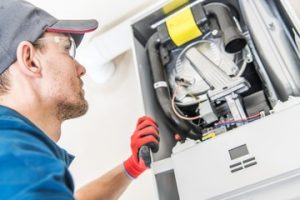
furnace

Thermostats are a key component in the proper functioning of a heating system. They provide the signals that tell the furnace when it is time to start up and shut down. If your thermostat is not functioning properly, it can waste energy and lead to costly repairs down the road. It is important to keep your thermostat clean and updated, as well as to inspect it regularly for issues that may be caused by normal wear and tear.

Keeping up with your thermostat maintenance is the best way to avoid many problems. This includes replacing your air filter as often as needed, cleaning around the vents, and checking that there is no debris or obstructions that could prevent the blower from moving. It is also a good idea to replace the batteries in your thermostat as needed.

When it comes to furnace repair, it is always a good idea to contact a professional. Certain types of repairs, like fixing gas leaks or advanced control systems, require specialized knowledge and tools that most homeowners are not familiar with. Trying to repair these types of issues on your own can cause dangerous or expensive damage.

If your thermostat is displaying a “F” or “L” error code, it is a sign that there is an issue with the electrical connections within your furnace. These errors can be the result of several different things, including a blown fuse or tripped circuit breaker. If this is the case, you will want to make sure that all electrical connections are tightly sealed. It is also a good idea to check the pilot light and gas valve to ensure that they are in the on position.

Lastly, it is important to inspect the flame sensor regularly for any residue that could prevent it from lighting. This can be done by removing the sensor and using emery cloth to remove any coating. The burner cap should also be cleaned and replaced if it is showing signs of wear or corrosion. Additionally, the blower motor drive belt should be inspected for cracks or frays.

Motor

When a furnace isn’t working properly, it can turn cozy nights into cold and uncomfortable ones. However, if you know the most common signs to watch for, you can help prevent furnace problems and avoid a costly repair bill.

The first thing you should always do when a furnace isn’t functioning correctly is check the electrical power switch on the unit. It’s usually located close to the unit and is easy to accidentally flip off.

If the switch is turned on, next you should check to make sure that the blower motor isn’t overloaded. This can happen when dust and debris accumulate on the motor windings or bearings. When this occurs, the motor will overheat and burn out. You’ll also notice a lack of airflow from your ductwork when this happens.

You can also test the blower motor by switching it off and on again. This will allow you to determine if it’s simply overloaded or needs to be replaced. If the blower motor is burned out, you can consult your furnace manual to find the right replacement part for your system.

Lastly, you can also test your pilot light and gas valve. Be careful when handling these components, as a faulty pilot light or incorrect gas valve can be dangerous. If the problem isn’t with the gas or pilot light, then it may be a problem with the circuit board. These are more complex issues to fix and require a professional technician.

It’s important to note that major furnace repairs require a lot of time and manual labor. These repairs fix issues that significantly limit or inhibit your furnace’s performance. While you may feel tempted to do the work yourself, it’s always best to leave this type of repair to a professional. Not only will this ensure that the job is done correctly, but it will also help protect you from tampering with electrical wiring that could cause a fire hazard. In addition, some issues may indicate that your furnace is near the end of its life expectancy and would be better off being replaced rather than repaired.

Burner

If you suspect that your furnace is experiencing issues, it’s important to have it evaluated by an experienced HVAC professional. This ensures that all possible problems are assessed and addressed, and it can prevent smaller repairs from escalating into more costly repairs or premature replacement.

If your furnace is making rattling noises, this could indicate that it is in need of an ignition repair. A technician will determine the cause of the problem and resolve it before it worsens.

A gas furnace relies on a pilot light and surface ignition to convert fuel into heat for your home’s air circulation system. These components are subject to normal wear and tear over time, and they can also be affected by a clogged burner or accumulating debris. A professional can clean your burners to improve their performance and efficiency.

Depending on the make and model of your gas furnace, there are different access points to its combustion chamber. These doors may be spring-loaded or held in place with knobs or screws. Once the access panel is removed, a technician will remove the burners for cleaning. Using a brass brush, they’ll scrub the wings, length, and face of each burner. Once the burners are clean, they’ll be returned to their original locations and reassembled. The technician will also examine the blower and replace the drive belt if necessary.

Your gas furnace’s heat exchanger is a crucial component of your home heating system. It helps to efficiently combine fuel and air before burning, and it also serves as a protection against carbon monoxide leaks. Carbon monoxide is a colorless, odorless, and tasteless gas that’s toxic when inhaled in high concentrations. Performing regular maintenance and addressing any issues promptly will help to extend the lifespan of your furnace’s heat exchanger.

When a furnace is nearing its expected lifespan, it’s important to weigh the costs and benefits of repair versus replacement. While it is natural for older systems to require more frequent repairs, at a certain point, it’s not cost-effective to continue spending money on a deteriorating system. Fortunately, there are many replacement options available that can restore a furnace’s performance and energy efficiency without the high price tag of replacing an entire system.

Air Filter

Most furnaces are equipped with air filters to prevent larger airborne pollutants from infiltrating the machinery and clogging sensitive components. Filters should be replaced every 1-3 months, depending on usage and filter type. Dirty filters restrict airflow and cause your unit to work harder, increasing energy bills and decreasing efficiency. Regularly checking and replacing your filters can help prolong the life of your furnace and improve indoor air quality.

Other minor maintenance tasks include lubricating the blower motor and cleaning around vent openings. During these steps, a technician may spot potential issues like clogged air filters and oversized furnaces that heat up too quickly. These are easily corrected with the right tools and knowledge.

Lastly, a professional will check the gas line to make sure there are no leaks and that the combustion is burning cleanly. The technician will also conduct a carbon monoxide test to ensure the unit is not producing dangerous carbon monoxide.

Major repairs are those that require significant time, manual labor, and skill. These repairs will significantly impact your system’s performance and may even cause the unit to stop working. In most cases, it is more cost-effective to repair these issues before they worsen.

The first step to avoid major furnace repair is to have routine maintenance performed every year by a qualified technician. These services will include a full inspection, including an airflow check, carbon monoxide test, and fuel-to-air ratio analysis.

It is also a good idea to clean the area around your furnace and clear away clutter regularly. Make sure there’s at least three feet of clearance around the furnace, and never store combustible materials near it. You should also perform a backdraft test by holding a lit incense stick beside your vents and observing the flow of smoke. If the smoke is pushed back towards the furnace or stops flowing at all, it’s time to call for service.

Finally, be sure your home has working smoke and carbon monoxide detectors. These devices can alert you and your family to dangerous gases, which could be leaked by a malfunctioning furnace.
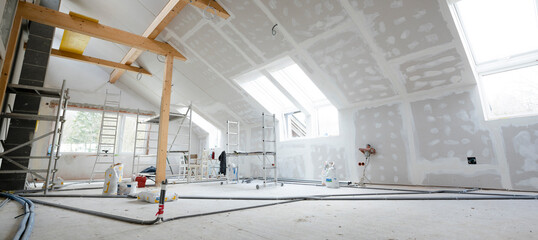

Building Better Spaces With Expert Drywall Installation

Drywall is a cornerstone of modern construction, forming the walls and ceilings that define our living and working spaces. Its versatility, durability, and cost-effectiveness make it an essential material for both residential and commercial projects. Understanding the basics of drywall, from installation to maintenance, helps property owners, builders, and renovators make informed decisions and achieve high-quality results.

drywall

What Drywall Is and Why It Matters

Drywall, also known as gypsum board or plasterboard, consists of a layer of gypsum sandwiched between two sheets of heavy paper. It serves as a structural and finishing material, providing smooth surfaces for painting, wallpapering, or other finishes. Unlike traditional plaster, drywall is quicker to install, easier to repair, and more consistent in appearance.

Its benefits go beyond aesthetics. Drywall also contributes to soundproofing, fire resistance, and energy efficiency. When properly installed, it creates walls that are strong, smooth, and ready for any type of finishing.

Types of Drywall

Several types of drywall exist to meet different project needs:

  • Standard drywall is suitable for most interior walls and ceilings.
  • Moisture-resistant drywall is ideal for bathrooms, kitchens, and basements, where damp conditions could cause mold or damage.
  • Fire-resistant drywall provides additional safety in areas where building codes require it.
  • Soundproof drywall incorporates special materials to reduce noise transmission between rooms.

Choosing the right type of drywall ensures durability, compliance with building codes, and suitability for the intended environment.

Drywall Installation Process

Proper installation is key to achieving smooth, durable walls. The process typically involves several steps:

  1. Measuring and Cutting – Sheets are measured and cut to fit walls or ceilings precisely.
  2. Hanging – Panels are fastened to wall studs or ceiling joists using screws or nails. Proper alignment ensures stability and a uniform surface.
  3. Taping and Mudding – Joints between panels are covered with tape and joint compound to create a seamless finish. Multiple layers may be applied for smoothness.
  4. Sanding – Once the compound dries, surfaces are sanded to remove imperfections, creating a flawless finish.
  5. Finishing – The drywall is now ready for painting, wallpaper, or other decorative treatments.

Attention to detail at every step prevents cracks, uneven surfaces, or weak spots, ensuring the final walls are strong and visually appealing.

Benefits of Professional Installation

While some DIY enthusiasts may attempt drywall installation, professional services offer clear advantages. Skilled installers work efficiently, accurately, and safely. They know how to handle large sheets, make precise cuts, and apply joint compound evenly.

Professional installation also reduces the likelihood of common problems, such as:

  • Uneven seams and ridges
  • Nail pops or screw holes
  • Cracks or sagging panels
  • Poor alignment at corners and edges

By hiring experts, property owners can achieve a polished, long-lasting result without the trial-and-error that often comes with DIY projects.

Drywall Maintenance and Repair

Drywall is durable, but it is not impervious to damage. Common issues include holes from nails or accidents, cracks from settling, or water damage from leaks. Regular maintenance and prompt repairs extend the life of your walls and prevent more serious problems.

  • Small holes and dents can be patched with a simple compound and sanded smooth.
  • Cracks along seams or corners may require re-taping and mudding.
  • Water-damaged sections often need replacement to prevent mold growth.

Routine inspections, especially after renovations or extreme weather events, help identify and address damage early.

Drywall and Energy Efficiency

Drywall contributes to energy efficiency by providing an additional layer of insulation. Modern construction often incorporates thicker or insulated drywall, which helps regulate indoor temperatures and reduces heating and cooling costs. Combined with proper sealing of seams and joints, drywall plays a role in creating a more energy-efficient home or office.

Soundproofing and Comfort

In multi-family buildings, offices, or home theaters, sound control is a priority. Drywall, especially specialized soundproof panels, helps reduce noise transmission between rooms. Combined with insulation, resilient channels, or double layers of drywall, it creates quieter, more comfortable spaces.

Safety Considerations

Certain types of drywall enhance safety in specific areas. Fire-resistant drywall is commonly used in kitchens, utility rooms, or near furnaces and fireplaces. It slows the spread of flames and complies with building safety codes, providing additional peace of mind.

Proper handling during installation is also important. While drywall is generally safe, cutting and sanding produce dust that can irritate skin, eyes, and lungs. Professionals wear protective equipment and use dust-control techniques to maintain a safe work environment.

Design Versatility

Drywall is not just a functional material; it is also highly versatile in design. It can be shaped into curves, arches, and custom ceilings, allowing for creative architectural features. With proper finishing, it provides a smooth canvas for painting, wallpaper, or decorative textures, helping homeowners and designers achieve their vision.

Planning for Drywall Projects

Successful drywall projects start with careful planning. Considerations include:

  • Type of drywall suited for the space
  • Dimensions and layout of walls and ceilings
  • Location of electrical outlets, switches, and plumbing
  • Finishing preferences, such as paint or textures
  • Budget and timeline for installation or renovation

Good planning ensures that drywall meets both functional and aesthetic goals while staying on schedule and within budget.

Drywall is a fundamental component of modern construction, offering durability, design flexibility, and functional benefits like soundproofing, fire resistance, and energy efficiency. Proper installation and maintenance are essential to maximize these advantages.

By understanding the types of drywall, the installation process, and the importance of professional services, property owners and builders can create strong, smooth, and visually appealing walls that stand the test of time. With timely maintenance and careful planning, drywall transforms a structure into a comfortable, safe, and inviting space for years to come.

Safety Measures in the Cabinet Painting Process

Cabinet Painting Sacramento requires precision and specialized techniques that even confident DIYers can underestimate. Several common errors can ruin finishes, increase maintenance and cleaning needs, and diminish your kitchen’s value.

cabinet painting

Proper surface prep, degreasing, and primer selection are vital. Proper application methods include spraying and brushing. Both options have their perks; spraying provides a silky smooth, factory-like finish, while brushing offers an easy touch-up with no visible brush strokes.

Wear the Proper Gear

It’s important to wear goggles, gloves, and a dust mask when painting cabinets. This is essential to protect yourself from toxic fumes and to ensure that the paint is properly applied without causing damage. It’s also a good idea to use a fan to help disperse the fumes and create a comfortable working environment.

Another important safety measure is to make sure that you are using the right tools and equipment. The right type of brush, roller, and paint can all contribute to a safer cabinet painting process. A professional painter will also take the time to sand the surface, which is vital for an even finish and better adhesion. This can be done by hand with a piece of fine-grit sandpaper or with a power sander.

Finally, a professional will always use high-quality materials that are safe for the environment and your home. This helps to ensure that the finished product is durable and looks amazing for a long time.

A major benefit of hiring professionals for cabinet painting is that they will save you both time and money. They will work quickly and efficiently, meaning that you can enjoy your updated space sooner. They also have the expertise to complete the job correctly the first time around, which can prevent costly mistakes and save you from needing touch-ups later on.

Hiring professionals for cabinet painting is the best way to get a smooth, rock-hard finish that will stand up to daily wear and tear. They have the skills, equipment, and knowledge to give you a beautiful result that will add value to your home for years to come. They also understand how to choose the right paints and materials based on texture, porosity, and other factors that can impact results.

Prepare the Area

A good cabinet painting project begins with a clean, prepped work area. This means emptying cabinets and removing hardware, which can be dusty. It’s also wise to cover countertops and appliances to protect them from paint splatters and spills. Opening windows and using fans can help keep your workspace well-ventilated and prevent overexposure to toxic fumes.

It’s best to wear a mask during any sanding and other processes that can cause respiratory irritation. It’s also important to keep children and pets out of the workspace until the job is finished. This is particularly true when working with chemical strippers, paint thinners, and other toxic substances.

Hiring professionals for your cabinet painting ensures a high-quality finish that is difficult to achieve on your own. Pros use specialized tools and materials that are designed to last, giving you a durable, beautiful finish. They also have the skills and experience to avoid common mistakes that amateurs make, saving you time and money.

Cabinet painting offers homeowners the opportunity to transform their kitchens without breaking the bank on a full renovation. This cost-effective, high-impact update can breathe new life into outdated spaces and boost home value and appeal. In fact, buyers love updated kitchens and are willing to pay more for homes that have recently been refreshed with cabinet painting.

Whether you prefer classic farmhouse white or bold modern blue, painted cabinets offer limitless color customization options. However, there are several key factors to consider when choosing a new color for your cabinets. Before you start the painting process, it’s important to do some research to understand what the pros say about your desired hue. This will help you choose the right shade and determine what types of finishes are appropriate for your space.

Have Proper Ventilation

Having good ventilation during the cabinet painting process is essential for both DIYers and professional contractors. Without proper airflow, toxic fumes can build up in the space, potentially causing health issues. This includes respiratory irritation, dizziness, and headaches. These issues can worsen if exposure to the fumes is prolonged.

This is particularly important for spaces with young children or seniors, who are more vulnerable to poor indoor air quality. To ensure that the space remains breathable throughout the painting process, open windows and use fans to move air around. It is also a good idea to limit the number of people who are in the room while painting to further reduce the risk of exposure to harmful chemicals.

Ventilation also helps to prevent moisture build-up in the space, which can affect the finish of the final product. This can lead to premature cracking and peeling of the paint. To prevent this, it is a good idea to use an oil-based primer before applying the paint and to sand between coats of paint.

It is also important to let the paint fully cure before reassembling the cabinets or placing items inside them. This can take up to 24 hours, depending on the humidity and temperature in the room. To determine the curing time of a particular paint, check the recoat time on the back of the can or consult a professional for further guidance.

It is a good idea to use low-VOC or even zero-VOC paints when painting cabinets, as these formulas significantly reduce the amount of VOCs released during and after the application process. Keeping the space well-ventilated and using a portable air purifier with HEPA filters can help to further minimize the amount of VOCs in the room.

Don’t Use Oil-Based Paints

Painting your home’s cabinets can be a great way to update the look of your kitchen and improve its overall value. However, it is important to take the proper safety measures in order to ensure your safety during the process. Some of the chemicals used in cabinet paint can be harmful if not used properly. This is why it’s important to hire a professional when working with cabinet paint.

Before the painters begin work, they will thoroughly clean the surface to remove any dirt or grease buildup. This will help the new coat of paint to adhere better and will make sure the finished product looks its best. They will also sand the surface to prepare it for painting. This will create a slightly rough surface that allows the primer and paint to adhere to it, which will prevent your new cabinets from chipping or peeling in the future.

The sanding process will also reveal any nail holes that may be present, which must be filled and caulked before the painters can begin their work. Once this is complete, the painters will apply a high-quality oil-based primer to the surfaces that are going to be painted. Oil-based primers offer excellent adhesion and durability, which is especially valuable in areas that are likely to experience high levels of wear and tear.

Oil-based paints typically take about 8-24 hours to dry and require adequate ventilation during application. Additionally, they produce strong odors and must be cleaned with mineral spirits rather than water. For these reasons, many homeowners are opting for modern latex paints that can be just as durable but don’t have the same drawbacks.

Avoid Lead-Based Paints

Painting your cabinets is a great way to add some style and character to your kitchen. However, it’s important to take the proper precautions when painting your kitchen cabinets to avoid any injuries or hazards.

Before its ban in 1978, lead was a common ingredient in paints due to its ability to create vibrant colors and fast-drying properties. However, it’s a toxic neurotoxin with long-term health effects that can be especially dangerous for children and pregnant women. As a result, it’s crucial to check for lead in your home’s paint before you begin any projects that could disturb it.

While intact lead paint doesn’t pose a direct threat, disturbing it can cause hazardous dust that can be inhaled. As such, it’s important to hire certified professionals for any renovations that require scraping, sanding, or other activities that may disturb the old paint.

It’s also essential to keep children and pregnant women away from the renovation area, as they are more likely to come into contact with the hazardous dust. Lead poisoning can have a wide range of symptoms, from diarrhea and stomach cramps to lethargy and even seizures in severe cases. Children are particularly susceptible to lead poisoning, as it can interfere with their brain development and cause learning and behavioral problems.

Painting your kitchen cabinets is a great way to refresh the look of your kitchen and improve its value. While it’s easy to do on your own, you should always follow the right safety precautions to avoid injury or illness. By wearing the proper gear, preparing the area, and using the correct techniques, you can complete your cabinet painting project without any risk of injury or harm.