Understanding the Insulation Process: How Proper Insulation Improves Home Comfort and Efficiency

Insulation

Imagine stepping inside your home after a long day and instantly feeling a comfortable and balanced temperature throughout every room. No sudden chills near the walls and no overheated spaces near the ceiling. While heating and cooling systems play an important role in maintaining indoor comfort, the real secret behind a stable indoor environment often lies within the walls, ceilings, and floors of the home.

Insulation works quietly behind the scenes to control how heat moves in and out of a building. When insulation is properly installed, it helps maintain comfortable indoor temperatures while supporting energy efficiency. However, many homeowners are unfamiliar with the insulation process and how it actually works.

Understanding the insulation process can help property owners make informed decisions about improving their home environment. From preparation and material selection to installation and long term performance, each step plays an important role in ensuring Houston Insulation delivers the benefits it is designed to provide.

What Insulation Does Inside a Home

Insulation is designed to slow the transfer of heat between indoor and outdoor environments. Heat naturally moves from warmer areas to cooler areas, and without insulation this transfer occurs quickly through walls, ceilings, and floors.

By creating a barrier that traps pockets of air, insulation reduces the speed at which heat travels through building materials. During cooler seasons insulation helps keep warm air inside the home, while during warmer periods it helps block outside heat from entering.

This thermal resistance makes it easier for heating and cooling systems to maintain consistent indoor temperatures. Instead of constantly working to replace lost heat or remove excess warmth, these systems operate more efficiently.

In addition to temperature control, insulation can also contribute to sound reduction and improved indoor comfort. It helps minimize drafts and creates a more stable environment throughout the home.

The insulation process ensures that this protective barrier is installed correctly so that it performs effectively over time.

Preparing the Home for Insulation Installation

Before insulation can be installed, proper preparation is necessary. This step ensures that the installation process goes smoothly and that the insulation will perform as intended.

The preparation phase often begins with an evaluation of the home. This evaluation identifies areas where insulation is missing, damaged, or insufficient. Common areas that require attention include attics, exterior walls, crawl spaces, and ceiling cavities.

During this stage professionals may also check for air leaks around windows, doors, and structural openings. Sealing these gaps helps improve the effectiveness of the insulation by preventing unwanted airflow.

Existing insulation may also be inspected to determine whether it can remain in place or if it should be removed. In some cases older insulation has settled or deteriorated and no longer provides adequate thermal resistance.

Once these issues are addressed and the space is prepared, the home becomes ready for the insulation installation process.

Choosing the Right Insulation Materials

Selecting the appropriate insulation material is an important part of the insulation process. Different materials offer varying levels of thermal resistance, durability, and application flexibility.

Fiberglass insulation is widely used because it provides effective heat resistance and can be installed in several forms. It often comes in flexible sections that fit between structural framing or in loose fibers that can be distributed across surfaces.

Cellulose insulation is another option commonly used in residential structures. It is typically made from recycled paper products that are treated for fire resistance. This material is known for its ability to fill small gaps and irregular spaces.

Mineral based insulation materials may also be used in certain situations. These materials offer strong resistance to heat and can contribute to improved fire protection.

The effectiveness of insulation is often measured using the R value, which indicates how well the material resists heat flow. Higher R values generally provide better insulation performance.

Choosing the right material ensures that the insulation process provides lasting results and improved energy performance.

The Insulation Installation Process

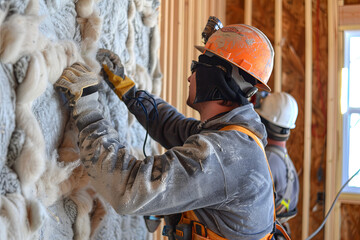
The installation phase is the central part of the insulation process. During this stage insulation materials are placed in key areas of the home to create a continuous thermal barrier.

For attics the insulation is often spread across the attic floor to form a thick layer that helps prevent heat from escaping through the roof. Since warm air naturally rises, attic insulation plays a major role in maintaining indoor temperature stability.

Wall insulation is typically installed between the vertical framing elements within the walls. This placement helps prevent heat from transferring directly through the wall structure.

In existing homes insulation may be added to wall cavities through small access openings. The insulation material is inserted into the cavity until the space is fully filled. After installation the openings are sealed and restored.

Floor insulation may also be installed in areas above crawl spaces or unheated spaces. This helps reduce heat loss through the flooring and improves overall comfort within the home.

Each of these steps contributes to forming a consistent layer of insulation that surrounds the living space.

Ensuring Proper Coverage and Thickness

Proper coverage and insulation thickness are critical for achieving effective results. Even small gaps or areas with thin insulation can reduce the performance of the entire insulation system.

During installation professionals carefully monitor the depth of the insulation to ensure that it meets recommended levels. Adequate thickness allows the insulation to trap sufficient air and provide strong resistance to heat transfer.

Uniform coverage is equally important. Insulation must extend across all surfaces without leaving empty spaces that could allow heat to escape.

Special attention is often given to corners, edges, and areas around structural elements such as pipes and wiring. These locations can be difficult to insulate properly but are essential for maintaining a complete thermal barrier.

By ensuring consistent coverage and thickness, the insulation process delivers the full benefits of temperature control and energy efficiency.

Long Term Benefits of Proper Insulation

A well executed insulation process provides several long term advantages for homeowners. One of the most noticeable benefits is improved indoor comfort. Rooms maintain more consistent temperatures and drafts become less noticeable.

Energy efficiency is another significant benefit. With proper insulation in place heating and cooling systems require less effort to maintain desired temperatures. This can reduce overall energy use and improve system performance.

Insulation can also contribute to quieter indoor environments. The materials used in insulation help absorb sound vibrations, reducing noise transfer between rooms or from outside sources.

Another advantage is the potential improvement in indoor air conditions. By reducing airflow through gaps and cracks insulation helps limit the movement of dust and outdoor pollutants into the home.

Over time these benefits create a more comfortable and efficient living environment.

Maintaining Insulation Performance Over Time

While insulation is designed to last for many years, periodic inspection can help ensure it continues to perform effectively. Over time insulation materials may settle, shift, or become affected by environmental conditions.

Checking insulation in accessible areas such as attics can help identify early signs of wear. If the material appears uneven or compressed, additional insulation may be needed to restore proper coverage.

Moisture control is also important for maintaining insulation performance. Proper ventilation and moisture management help protect insulation materials from damage.

Regular evaluation allows homeowners to address potential issues before they significantly affect comfort or energy efficiency.

Maintaining insulation ensures that the benefits of the insulation process continue to support the home for many years.

Conclusion

The insulation process plays a vital role in creating a comfortable and energy efficient home. From preparation and material selection to installation and long term maintenance, each step contributes to the overall effectiveness of the insulation system.

Proper insulation slows the movement of heat, helping maintain stable indoor temperatures while reducing the workload on heating and cooling systems. This results in improved comfort, better energy performance, and a more balanced indoor environment.

Understanding how the insulation process works allows homeowners to appreciate the importance of proper installation and maintenance. With the right approach, insulation can provide lasting benefits that enhance both comfort and efficiency throughout the home.
Home Remodeling Projects That Increase Home Value

Home Remodeling

Home remodeling is often driven by the desire to improve comfort, functionality, and personal enjoyment. However, many homeowners also view remodeling as a strategic investment aimed at increasing property value. Not all upgrades deliver the same return, and some projects are far more effective than others when it comes to boosting resale appeal and long-term value.

Understanding which Home Remodeling Lexington KY projects offer the greatest impact helps homeowners make informed decisions and prioritize improvements that balance enjoyment with financial return.

Kitchen Remodels as a High Value Investment

The kitchen is widely considered the heart of the home and one of the most influential spaces for buyers. A well designed, updated kitchen can significantly increase perceived home value and attract stronger offers. Kitchen remodels do not always need to be extensive to deliver results. Even moderate upgrades can make a noticeable difference.

Improvements such as updated cabinetry, modern countertops, new appliances, and improved lighting often provide strong returns. Kitchens that feel functional, clean, and contemporary tend to appeal to a broad range of buyers. Open layouts, ample storage, and durable finishes further enhance value by improving usability.

Homeowners should focus on timeless designs rather than overly personalized choices. Neutral colors, quality materials, and efficient layouts help ensure the remodel remains appealing for years to come. A thoughtfully remodeled kitchen signals that the home is well maintained and move in ready.

Bathroom Renovations That Boost Appeal

Bathrooms play a major role in buyer perception, second only to kitchens in many cases. Outdated or poorly maintained bathrooms can reduce a home’s value, while updated bathrooms often increase both appeal and functionality. Bathroom remodels are particularly effective when they address issues such as worn fixtures, inefficient layouts, or lack of storage.

Upgrades may include new vanities, modern fixtures, improved lighting, and updated tile or flooring. Walk in showers, dual sinks in primary bathrooms, and improved ventilation are features many buyers value. Even small changes like replacing old faucets or refreshing tile can improve the overall impression.

Clean, bright, and functional bathrooms suggest comfort and convenience. These qualities resonate strongly with buyers, making bathroom renovations a reliable way to increase home value.

Enhancing Curb Appeal With Exterior Improvements

First impressions matter, and exterior remodeling projects play a critical role in shaping how a home is perceived. Curb appeal affects buyer interest before anyone steps inside. Homes that look well cared for from the outside are more likely to attract attention and positive evaluations.

Exterior improvements can include new siding, fresh paint, updated doors, and improved landscaping. Replacing an aging roof or repairing damaged exterior elements also contributes to value by addressing potential buyer concerns. Driveways, walkways, and outdoor lighting enhance both aesthetics and safety.

Even modest exterior upgrades can have a significant impact. A clean, attractive exterior signals pride of ownership and reduces perceived maintenance needs, both of which increase buyer confidence.

Flooring Updates That Modernize Interiors

Flooring is one of the most visible elements of a home’s interior, and outdated or damaged floors can detract from value. Replacing worn carpet or mismatched flooring with cohesive, modern materials often improves both appearance and functionality.

Hard surface flooring such as hardwood, engineered wood, or quality luxury vinyl is especially appealing to buyers. These materials are durable, easy to maintain, and compatible with a wide range of interior styles. Consistent flooring throughout main living areas can make a home feel larger and more cohesive.

Flooring upgrades also improve daily living for current occupants, making them a practical and value enhancing remodeling choice.

Energy Efficient Upgrades That Add Long Term Value

Energy efficiency has become increasingly important to homeowners and buyers alike. Remodeling projects that reduce energy costs and improve comfort often add value by lowering long term expenses and increasing sustainability.

Common energy efficient upgrades include new windows, improved insulation, energy efficient HVAC systems, and modern appliances. These improvements help regulate indoor temperatures, reduce drafts, and lower utility bills. Buyers often view energy efficient homes as more desirable and cost effective to own.

In addition to financial benefits, energy efficient upgrades contribute to comfort and environmental responsibility. These combined advantages make them attractive investments for both resale and daily living.

Basement Finishing and Functional Living Space

Finishing a basement or converting underutilized space into functional living areas can significantly increase home value. Additional usable square footage expands the home’s versatility and appeal. Finished basements can serve as family rooms, home offices, guest suites, or entertainment areas.

The key to adding value through basement remodeling is ensuring the space feels integrated with the rest of the home. Proper lighting, ceiling height considerations, insulation, and moisture control are essential. Finished basements that feel dark or damp may not deliver the same value.

When done correctly, basement finishing adds livable space without expanding the home’s footprint, making it an efficient way to increase value.

Room Additions That Expand Livable Space

Room additions can dramatically increase home value when designed and executed thoughtfully. Adding a bedroom, expanding a kitchen, or creating a dedicated office or family room addresses changing lifestyle needs and increases square footage.

Additions that improve functionality and flow tend to provide the strongest returns. For example, adding a primary bedroom suite or expanding common living areas can make a home more competitive in the market. However, additions must be proportionate to the home and neighborhood to avoid overbuilding.

Professional design and integration are critical. Additions that blend seamlessly with the existing structure and architectural style are more likely to enhance value than those that feel like afterthoughts.

Open Concept Layout Improvements

Modern buyers often prefer open and flexible living spaces. Remodeling projects that improve flow and remove unnecessary barriers can increase home value by making interiors feel larger and more functional.

Opening up kitchens to living or dining areas, widening doorways, or improving sightlines can transform how a home feels without adding square footage. These changes support modern lifestyles that emphasize connection and adaptability.

Structural changes should always be evaluated by professionals to ensure safety and compliance. When done correctly, layout improvements can significantly enhance both usability and appeal.

Smart Home Features and Modern Technology

Technology integration has become an increasingly influential factor in home value. Smart home features such as programmable thermostats, security systems, lighting controls, and smart locks add convenience and modern appeal.

While technology evolves quickly, foundational smart features that improve efficiency and security tend to retain value. Buyers often appreciate homes that offer these upgrades without requiring immediate installation.

Technology focused remodels should prioritize reliability and simplicity. Overly complex systems may deter some buyers, while well integrated features enhance the perception of a modern, forward thinking home.

Garage and Storage Improvements

Garages and storage spaces are often overlooked, yet they play an important role in functionality and buyer appeal. Remodeling projects that improve garage organization, add storage solutions, or convert unused garage space into functional areas can increase value.

Buyers value storage that is practical and well designed. Built in shelving, improved lighting, and durable flooring make garages more usable. In some cases, adding a garage or expanding an existing one can significantly increase value, especially in markets where parking and storage are priorities.

Well planned storage improvements enhance daily living and contribute to overall home efficiency.

Roof Replacement and Structural Updates

While not always visually dramatic, structural and system upgrades often add substantial value by reducing risk and future maintenance concerns. Replacing an aging roof, updating plumbing, or upgrading electrical systems reassures buyers that the home is sound and well maintained.

These projects may not deliver immediate aesthetic appeal, but they play a critical role in inspections and appraisals. Buyers are often willing to pay more for homes with major systems already updated.

Investing in structural integrity protects both resale value and long term ownership experience.

Balancing Personal Enjoyment and Resale Value

The most successful remodeling projects balance personal enjoyment with market appeal. While resale value is important, homeowners also benefit from upgrades that improve comfort and daily use. Projects that align with both goals often deliver the strongest returns.

Avoiding overly personalized or niche design choices helps maintain broad appeal. Neutral palettes, quality materials, and flexible spaces allow future buyers to envision themselves in the home.

Strategic remodeling considers both current lifestyle needs and long term value, ensuring investments feel rewarding on multiple levels.

Planning Remodeling Projects Strategically

Successful value increasing remodels begin with careful planning. Evaluating the local market, understanding buyer preferences, and setting realistic budgets all contribute to better outcomes. Not every project delivers the same return in every market.

Working with experienced professionals helps homeowners prioritize improvements that make sense for their home and neighborhood. Proper planning reduces the risk of over investing and ensures remodeling efforts align with long term goals.

Final Thoughts on Home Remodeling Projects That Increase Home Value

Home remodeling projects that increase home value focus on functionality, efficiency, and broad appeal. Kitchens, bathrooms, exterior improvements, and energy efficient upgrades consistently rank among the most effective investments. Projects that expand livable space or modernize layouts also deliver strong returns when executed thoughtfully.

The key to maximizing value lies in strategic choices rather than constant upgrades. By focusing on quality, timeless design, and practical improvements, homeowners can enhance both daily living and future resale potential. When done with care and planning, home remodeling becomes not just an expense, but a meaningful investment in the home’s long term value and appeal.